
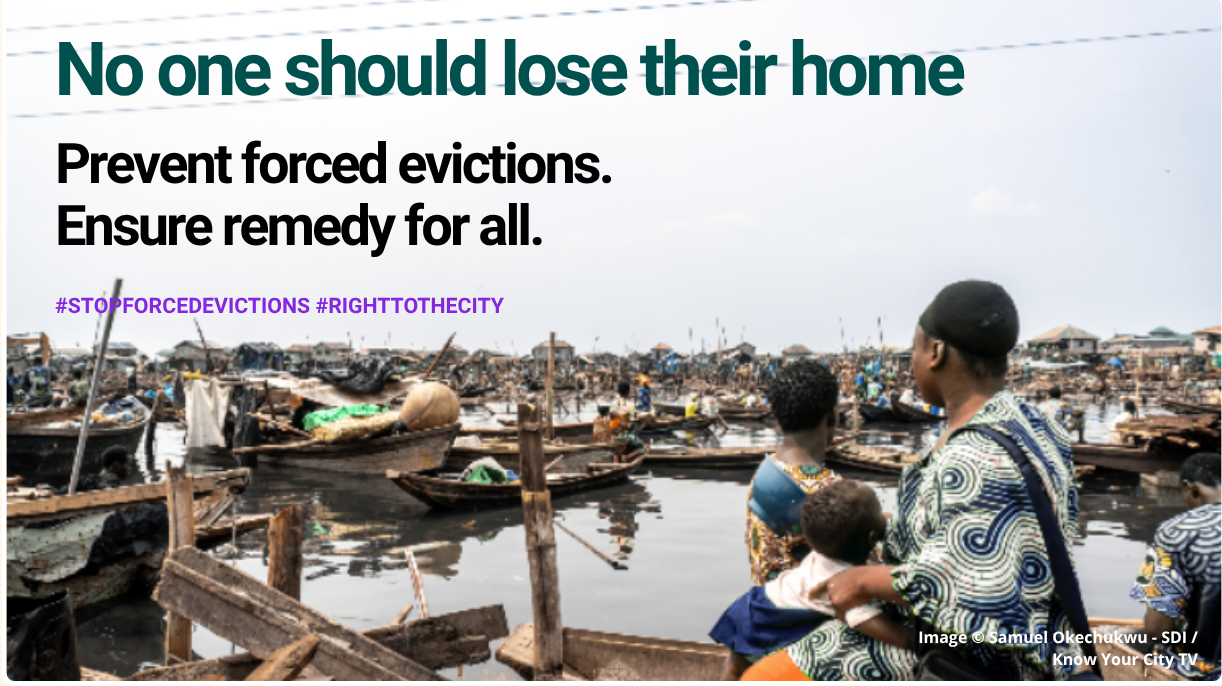
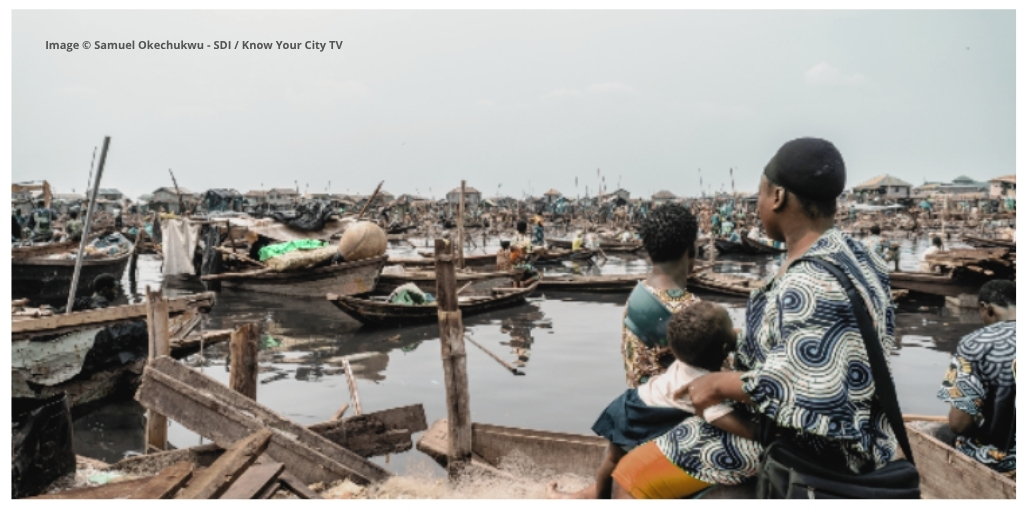
Every year, millions of people lose their homes. Forced evictions are not an accident of rapid urbanisation or climate crises. They are a direct consequence of political choices. They happen as a result of how our cities and housing markets are regulated, developed and managed, and of the political choices that shape them.
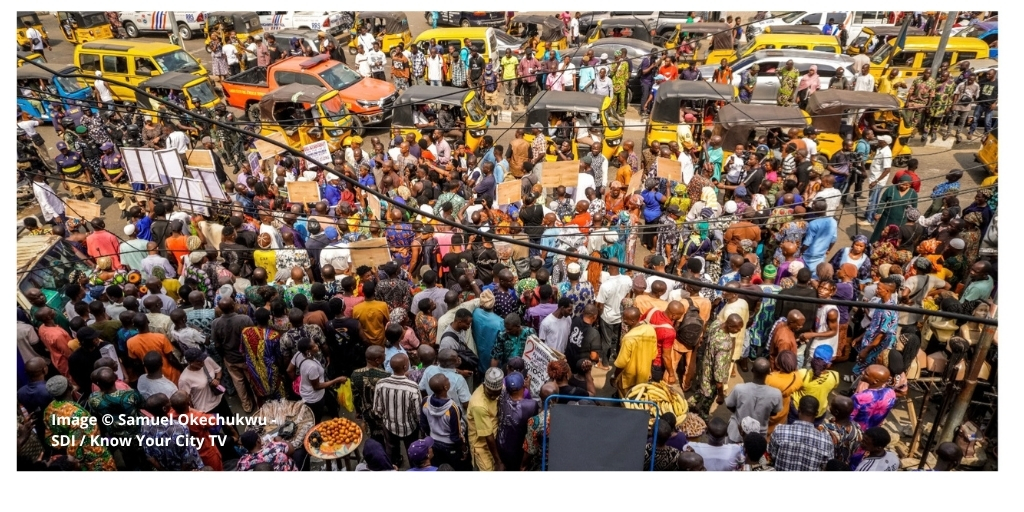
We, as civil society organisations, want to change that. This October we are amplifying the voices of those affected, showcasing community-led solutions, and helping to turn global commitments into concrete action for the prevention of forced evictions, remedy and justice. Habitat International Coalition (HIC), Slum Dwellers International (SDI), the International Institute for Environment and Development (IIED), the Global Platform for the Right to the City (GPR2C), the Bartlett Development Planing Unit of UCL (DPU) International Alliance of Inhabitants (IAI) and the Center for Truth and Justice join forces with partners and allies around the world to make forced evictions visible, demand accountability and demonstrate that change is possible.

What are Forced Evictions
Forced evictions occur when people are removed from their homes or land without appropriate legal protections and safeguards. They are considered a gross violation of human rights under international law.
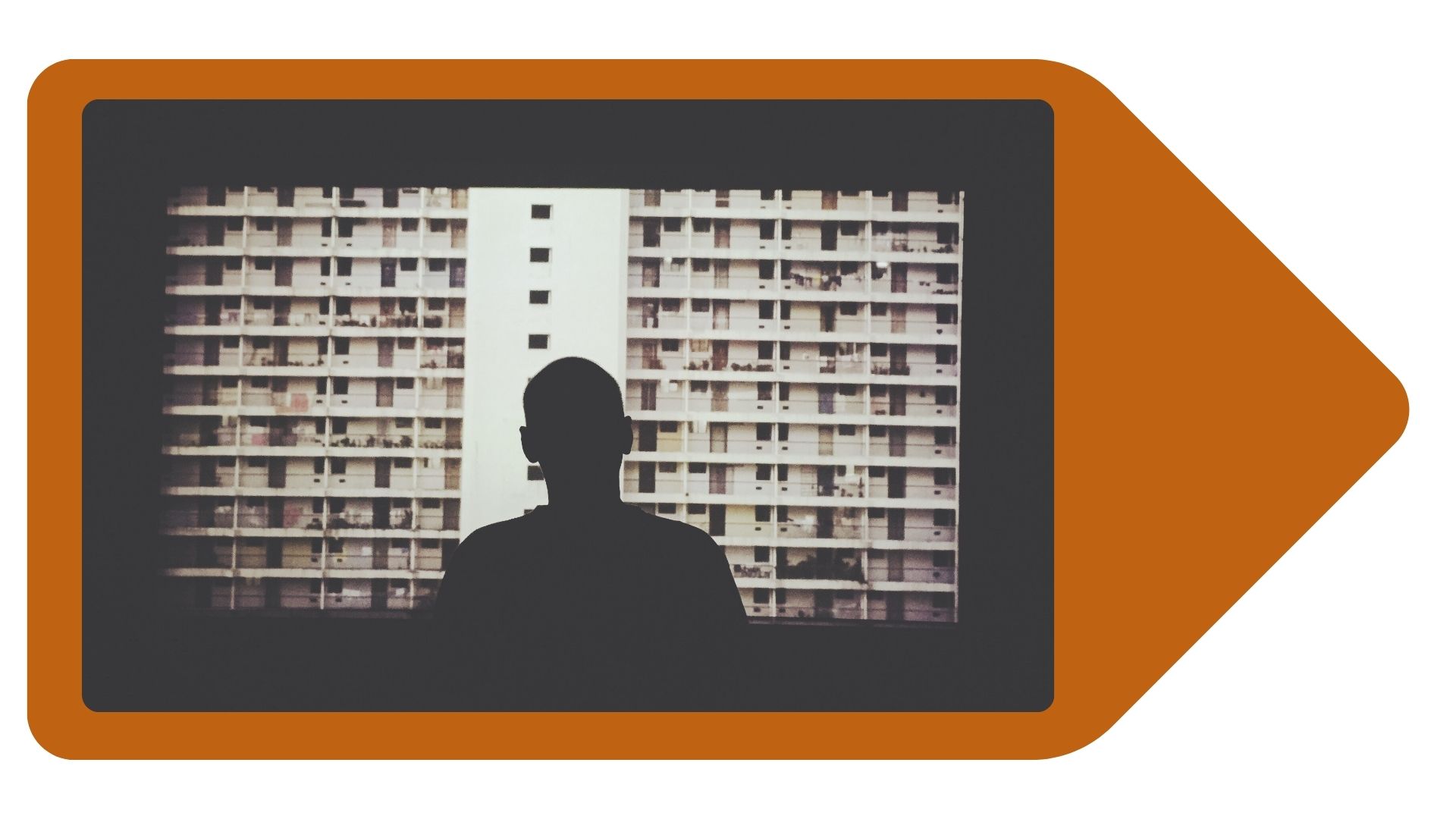
Forced evictions are gross human rights violations. No one, whether tenant, owner or bona fide occupant, should be deprived of their home without appropriate safeguards, protection and remedy.
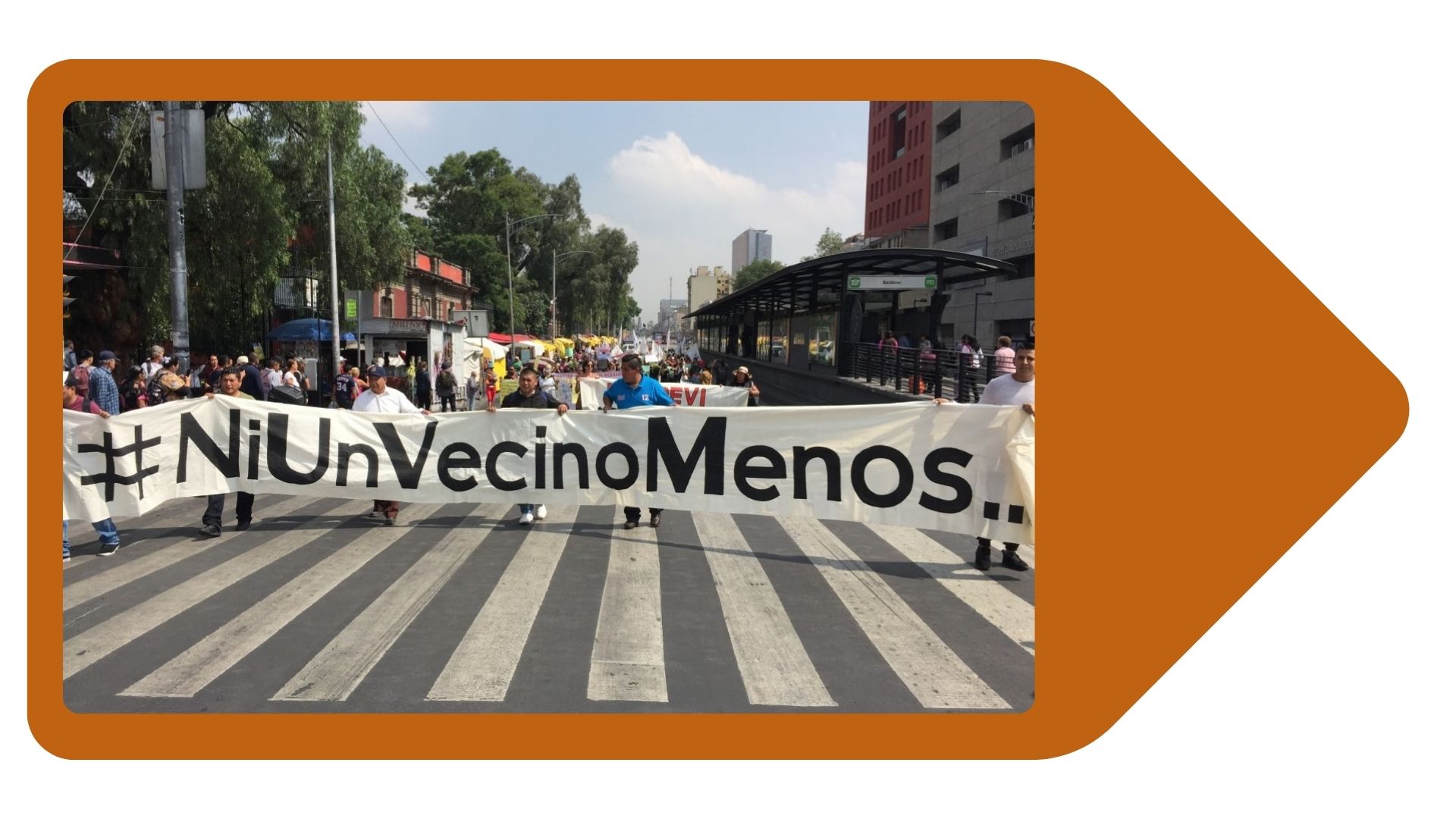
Forced evictions are not inevitable. They are political choices that can be prevented
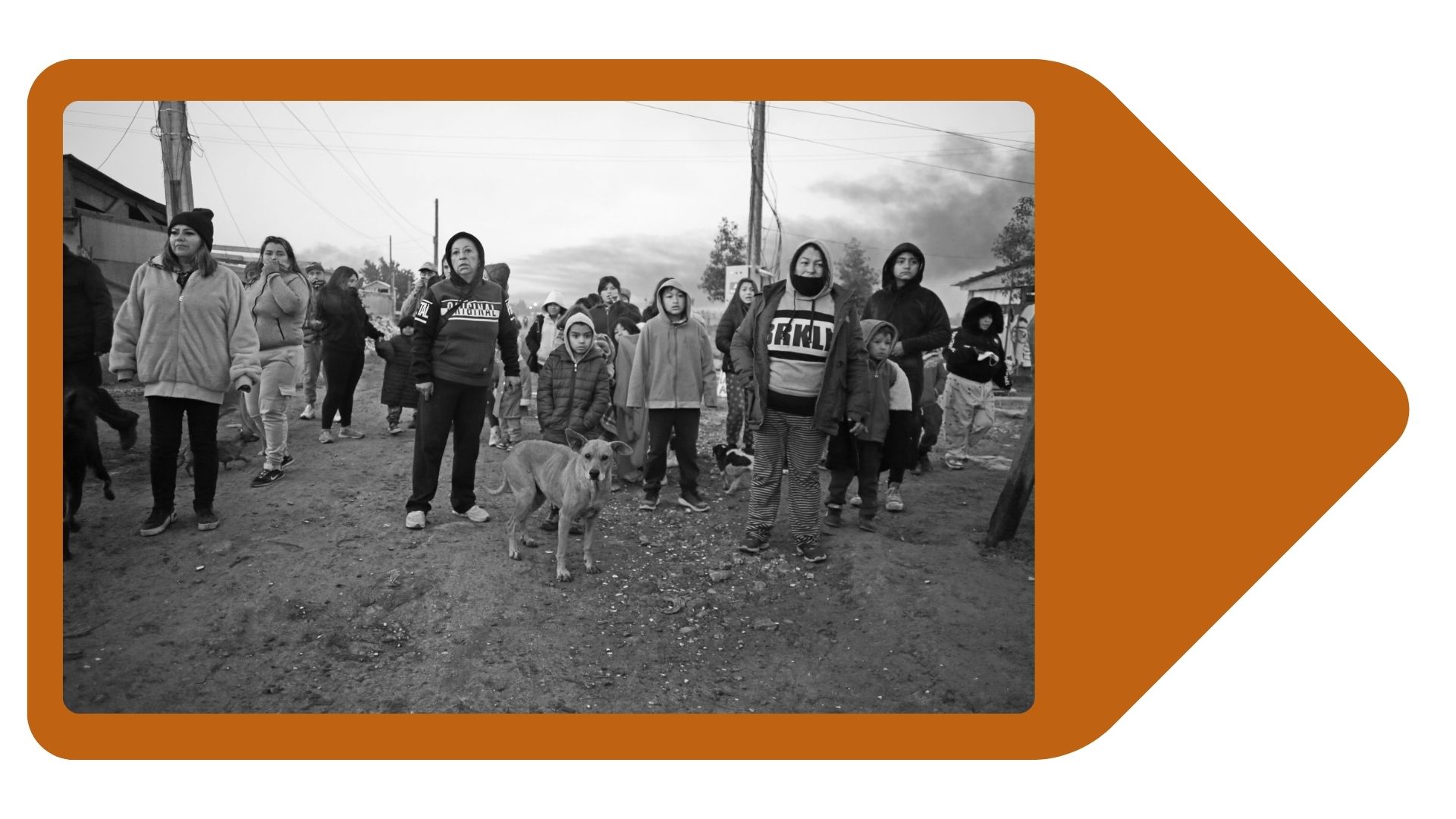
Forced evictions disproportionately affect the most marginalised. Gender, race, class and tenure status determine who is most at risk.
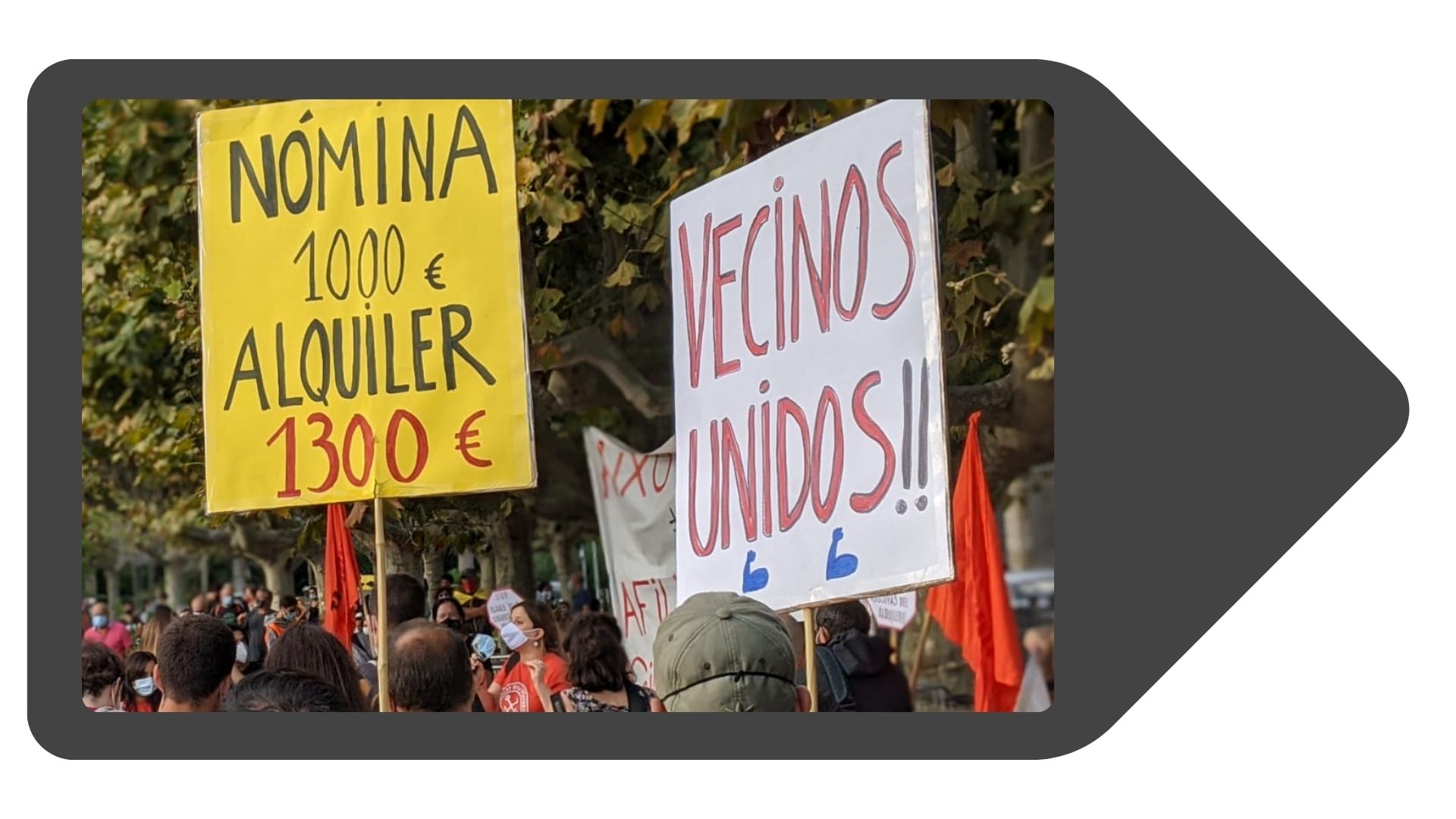
| Not every legally authorised eviction is compatible with human rights. An eviction can be lawful under national law and still constitute a forced eviction and a human rights violation under international law. |
They also undermine the Right to the City: the right of all inhabitants, present and future, permanent and temporary, to use, occupy, produce, govern and enjoy just, inclusive, safe and sustainable cities, villages and settlements as common goods.
Who is Responsible?
The right to adequate housing and protection against forced evictions does not disappear in the face of market pressures, state interests or corporate profit.
- States have binding obligations under international human rights law to respect, protect and fulfil housing rights – including preventing forced evictions, regulating private actors, and ensuring access to justice and remedy for all those affected..
UN Committee on Economic, Social and Cultural Rights (CESCR), General Comment No. 7: The Right to Adequate Housing (Art. 11.1 of the Covenant): Forced Evictions, E/1998/22 - Private actors and the market, including developers, financial institutions and short-term rental platforms, also bear human rights responsibilities. Drawing on the UN Guiding Principles on Business and Human Rights, companies must respect human rights, avoid contributing to displacement, and cooperate in remedy where harm occurs. Ensuring their accountability is equally urgent.
When prevention fails, effective remedy must follow: restitution, compensation, rehabilitation and guarantees of non-repetition. Remedy is not an afterthought, but a core obligation.
The minimum of which safeguards are provided in Committee on Economic, Social and Cultural Rights, General comment No. 7: The right to adequate housing (art. 11 (1) of the Covenant): Forced evictions, E/1998/22, 1997.
What Drives Forced Evictions?
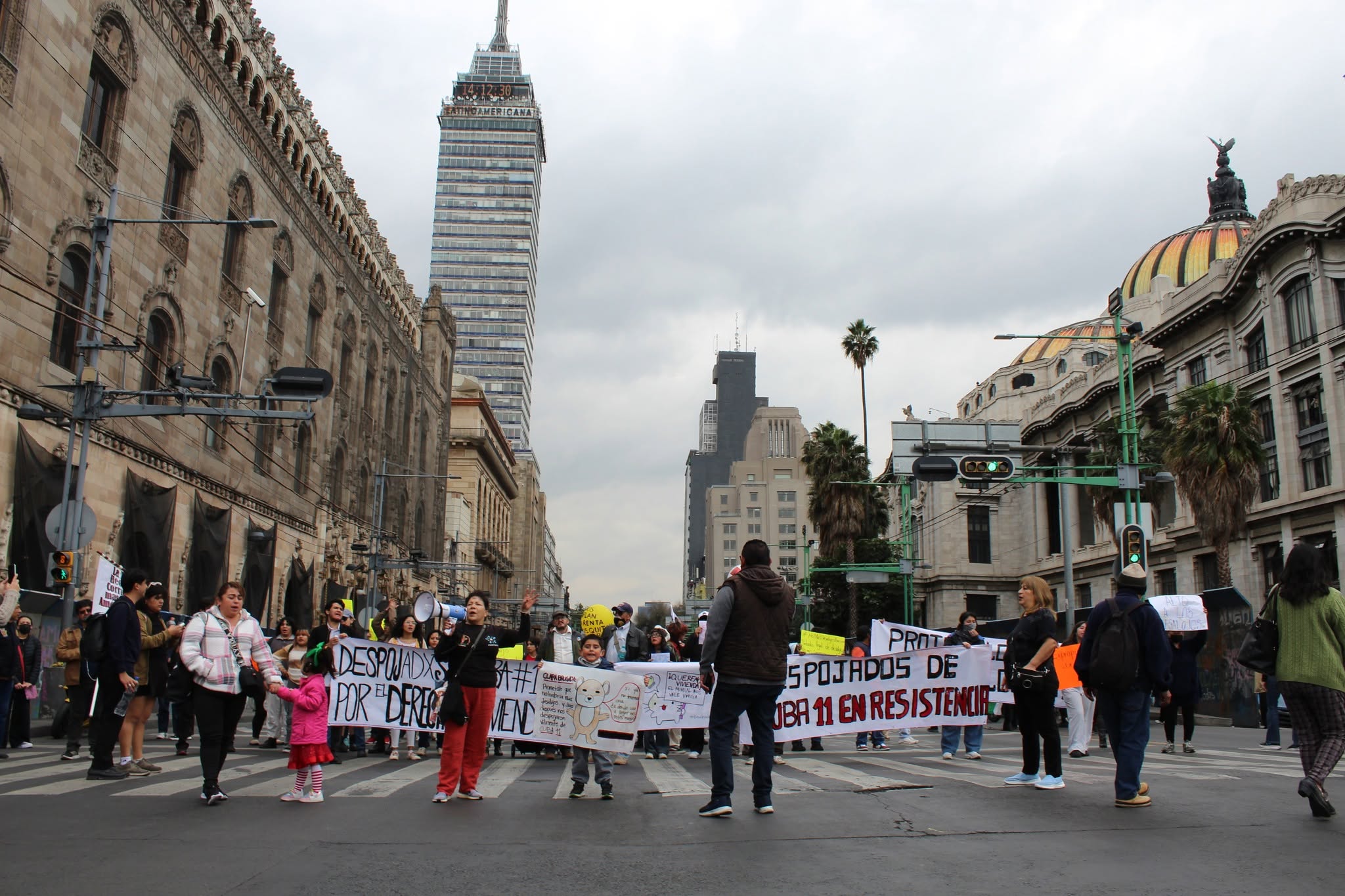
Prevention and remedy: what does it mean in practice?
An eviction should only be considered after all feasible alternatives have been explored and exhausted. When an eviction cannot be avoided, affected people have a right to effective remedy. Remedy means more than compensation: it includes restitution, return or adequate resettlement, rehabilitation, compensation for losses that cannot be restored, satisfaction and guarantees of non-repetition.
But to prevent forced evictions and ensure effective remedy, we need to know where, how and why they are happening. This includes understanding the scale, drivers and conditions under which they occur. The absence of data cannot justify inaction. On the contrary, community-led mapping, documentation and data collection can help make invisible evictions visible. Communities affected by forced evictions are not just victims of these processes. They are rights-holders with knowledge, strategies and solutions that are already working.
Therefore, responses must centre community-led solutions and recognise, support and scale up the solutions that communities themselves are advancing. Preventing evictions, ensuring effective remedy and closing data gaps are not separate efforts: they are part of the same response, grounded in rights, participation and justice.
Amplifying voices and action this October
Behind every eviction is a community that has rights, and a failure to uphold them. Throughout October, we are sharing the stories of people and communities affected by forced evictions, as well as those who are fighting back with community-led responses to prevention and remedy.
World Habitat Day (6 October) and World Habitat Month are a moment for global mobilisation. Civil society organisations, communities and advocates around the world are coming together to discuss, debate and demand action on forced evictions and the human right to adequate housing
Time to act:
what can you do?
Join the global call: no one should lose their home.
What is Urban October?
Urban October is a month of exciting meetings, discussions and events focusing the world’s attention on urban issues and sustainable development.
Individuals, organizations, cities, communities and governments at every level are encouraged to take part in activities that highlight the challenges and solutions relating to cities, towns and communities.
Every year, the month starts with World Habitat Day and ends with the World Day for the Right to the City.
The United Nations designated the first Monday of October, this year it will be on October 2, as the annual World Habitat Day (WHD).
This year’s theme is “Resilient urban economies. Cities as drivers of growth and recovery“.
WHD also reminds us we all have the power and the responsibility to shape the future of our cities, towns, and communities.
On October 31st, we celebrate the World Day for the Right to the City, reinterpreting the United Nations designation of World Cities Day.
We understand the Right to the City as: the right of all inhabitants, present and future, permanent and temporary, to inhabit, use, occupy, produce, transform, govern and enjoy cities, towns and human settlements that are just, inclusive, safe, sustainable and democratic, defined as common goods for enjoying life with dignity and peace.
About the Global Platform for the Right to the City
The Global Platform for the Right to the City (GPR2C) aims to inspire a better future for all human settlements. The GPR2C is an open, flexible, diverse network of civil society and local government organizations committed to political action and social change through the promotion, defense and fulfillment of the Right to the City at all levels, paying special attention to people and communities affected by exclusion and marginalization.
The GPR2C brings together social movements and organizations, academics, international networks, human rights defenders, NGOs, local governments and others to collaborate towards the emergence of new emancipatory utopias and social bonds in our societies. Together, we give visibility and build dialogue with those already existing worldviews to create new possible collective imaginaries.
The values that guide the GPR2C in forming new communities of emotion and action are: cooperation, collaboration, horizontality, transparency, accountability, equity, participation, people’s empowerment and solidarity.